
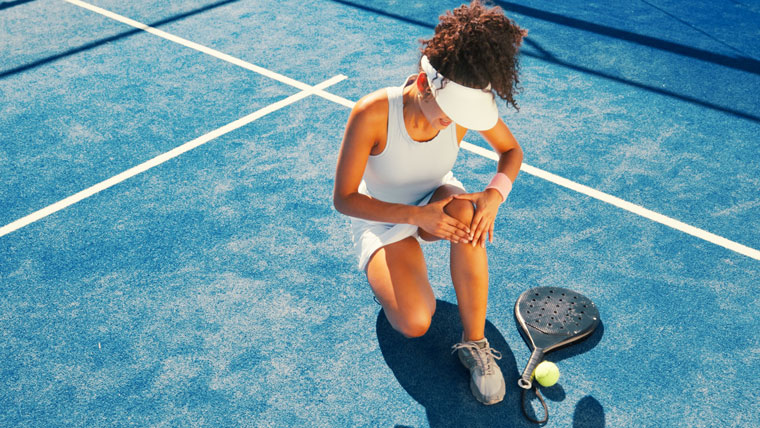
Pickleball Knee Pain in Delray Beach: Why It Happens and What You Can Do About It
Pickleball may look easy from the sidelines, but anyone who spends a few hours on the court knows otherwise.
Quick lateral movements, sudden stops, repetitive lunging, pivoting, reaching, and accelerating toward the kitchen line can place significant demands on the knees.
For the growing number of pickleball players in Delray Beach, Florida, knee discomfort can quickly turn an enjoyable morning on the court into a frustrating cycle of playing, hurting, resting, and trying again.
At AcuSportsTherapy, we frequently look beyond the painful area itself. Knee pain is often influenced by how the hips, ankles, muscles, nervous system, and movement patterns are functioning together.
Why Pickleball Can Be Hard on Your Knees
Unlike walking or jogging in a straight line, pickleball involves constant changes in direction. You may move forward for a dink, suddenly push backward for a lob, pivot sideways for a return, and then repeat the sequence dozens of times.
These movements can increase stress on the:
- Quadriceps
- Hamstrings
- Gluteal muscles
- Calves
- Patellar tendon
- IT band
- Meniscus
- Ligaments surrounding the knee
The court surface can also contribute. Hard surfaces provide relatively little shock absorption, especially when combined with long playing sessions or inadequate recovery.
Is the Knee Really the Problem?
This is one of the most important questions we ask. Sometimes the painful knee is simply the area absorbing stress created elsewhere. For example, limited ankle mobility may change the mechanics of a lunge. Poor hip stability can cause the knee to collapse inward during movement. Tight quadriceps or hip flexors can alter patellar mechanics.
That means treating only the location of pain may overlook an important part of the problem.
A comprehensive assessment may consider:
- Hip mobility
- Gluteal activation
- Ankle mobility
- Foot mechanics
- Muscle balance
- Trigger points
- Previous injuries
- Core stability
- Movement patterns
Common Types of Knee Pain in Pickleball Players
Patellar Tendon Irritation
Pain may occur below the kneecap and become noticeable during squatting, jumping, lunging, or climbing stairs.
Patellofemoral Pain
Often felt around or behind the kneecap, this discomfort can be related to repetitive loading and altered mechanics of the hip, thigh, or foot.
Meniscus-Related Pain
Twisting and pivoting movements can aggravate the meniscus. Symptoms may include localized joint-line discomfort, swelling, clicking, or catching.
Persistent locking, significant swelling, inability to bear weight, or acute traumatic injuries should be evaluated medically.
IT Band and Lateral Knee Pain
Tension through the lateral thigh and hip can sometimes contribute to discomfort along the outside of the knee.
How Sports Acupuncture May Help
Sports acupuncture combines traditional acupuncture concepts with modern orthopedic assessment and neuromuscular techniques.
Treatment may focus not only on the knee but also on muscles and movement patterns influencing the joint.
Depending on the individual, treatment may include acupuncture points, motor points, trigger points, electro-acupuncture, manual therapy, and other techniques.
The goals may include helping to:
- Reduce muscle guarding
- Improve local circulation
- Address trigger points
- Support neuromuscular function
- Improve range of motion
- Promote recovery
What Is Electro-Acupuncture?
Electro-acupuncture involves applying a controlled electrical current between selected acupuncture needles.
In sports medicine applications, it can be used strategically around muscles, motor points, and areas of dysfunction.
For active patients, this can be incorporated into a larger treatment plan designed to improve how muscles communicate with the nervous system.
Don’t Forget Recovery
One of the biggest mistakes recreational athletes make is treating recovery as optional. If you play pickleball several times per week, your body needs time and resources to repair.
Consider:
- Adequate protein intake
- Hydration and electrolytes
- Consistent sleep
- Strength training
- Mobility work
- Rest days
- Proper footwear
For some patients, functional medicine testing or nutritional evaluation may also be appropriate when recovery seems unusually slow.
Strength Training Matters
Playing pickleball is not necessarily enough to prepare your body for pickleball. Strengthening the glutes, quadriceps, hamstrings, calves, and core may help improve the body’s ability to tolerate repetitive court activity.
Exercises may include variations of:
- Squats
- Step-ups
- Split squats
- Calf raises
- Hip strengthening
- Balance training
- Controlled lateral movements
The correct program depends on the individual and any existing injury.
When Should You Get Knee Pain Evaluated?
Don’t automatically assume knee pain will disappear if you keep playing through it.
Consider having it assessed when:
- Pain repeatedly returns after playing
- You are changing how you move because of pain
- Your knee feels unstable
- Swelling persists
- You have lost range of motion
- Pain is interfering with normal activities
And if you experience severe swelling, inability to bear weight, significant trauma, locking, fever, or other concerning symptoms, seek appropriate medical evaluation promptly.
Pickleball Knee Pain Treatment in Delray Beach
Living in Delray Beach gives us the opportunity to remain active throughout most of the year—and pickleball has become one of the area’s favorite ways to do it.
Your goal shouldn’t necessarily be to stop playing.
The goal is to identify what is placing excessive stress on the knee and improve your body’s ability to handle the sport you love.
At AcuSportsTherapy in Delray Beach, Florida, we work with athletes and active adults using sports acupuncture, Neuropuncture, electro-acupuncture, manual techniques, movement assessment, and functional medicine strategies.
If your knee has started complaining every time you step onto the pickleball court, it may be time to find out why.
Schedule an appointment with AcuSportsTherapy in Delray Beach and let’s work toward getting you moving comfortably and confidently again.
Leave a reply



Most Commented